No Pit Stops and the Discipline of Forward Motion
A field guide to a Fofo single. The time of day, the setting, and the state of attention it asks for, along with the company it keeps best. Listening treated as something to prepare for, not stumble into.
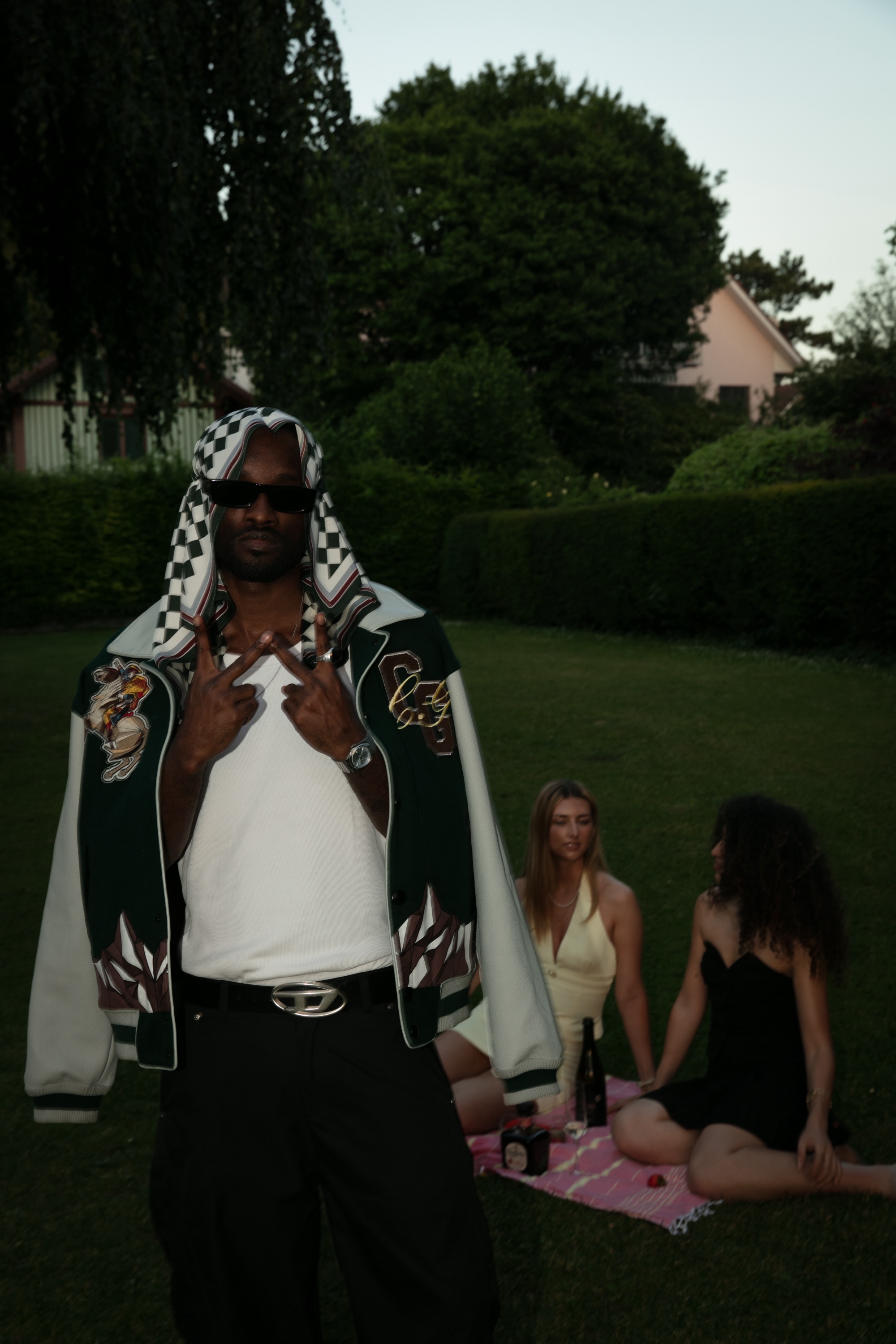
ORIENTATION
No Pit Stops is a single built on one unbroken motion. The production is spare and 808-heavy, set in D# major, and it carries a doubled sense of time: a 140 BPM pulse that also settles into a 70 BPM half-step, so the same three minutes read as forward drive or as something almost still. It comes from a Nigerian-Swiss vantage, and its palette is cold and open rather than warm.
RECOMMENDED TIME
Late evening, between roughly ten and two. The production's space and the close, low vocal open up once the day's noise has dropped away. A secondary window holds in the late afternoon, three to six, when the track works as company for movement. A commute, a walk, the stretch between two places.
ENVIRONMENT
Preferred:
- A car at night on open roads. Outskirts, ring roads, empty streets.
- A private room, low light, on headphones
- Late-night transit, the stretch between one place and the next
Suitable:
- Low, unhurried gatherings, where it sits underneath the room
- The cool-down after exertion, when the body is still moving but slowing
- Solo work that wants presence without demand
Avoid:
- Clubs and high-energy rooms, which flatten its restraint
- The morning rush, and anything that needs full alertness
- Settings that require talking or coordinating with others
RECOMMENDED STATE
The track meets a listener who is:
- Weighing momentum. Taking stock of where the effort is going.
- Coming down from a decision or a confrontation
- Moving on self-direction rather than performance
- Between one state and another, in fact or in feeling
It works on a single listener far better than on a room.
LISTENING APPROACH
First Listen: Start at the top and let the production stand on its own for a moment before the voice arrives. The opening sets the room the rest of the track lives in. Notice the doubled time early: you can lean into the 808s as drive, or let the half-step pull everything back. The hook comes quickly: "Ride all day, ain't no pit stops." It is the whole idea in a single line. Let it land rather than waiting for a build.
Return: On a second or third pass, the detail is in the production: the weight and decay of the 808s, the atmospheric layers behind the vocal, and the place the voice keeps in the mix. Present, but never crowding the low end.
LISTENING RECOVERY
Because this is a single rather than a long body of work, the rest it asks for is short, not a day's silence. Resist the immediate repeat: the track dulls when it loops back to back, its restraint flattening into background. Leave a few hours, or let one other thing sit between plays, before returning. If you have heard it several times in a row, step into silence rather than another track. It reads more clearly the next day than on the fifth consecutive play.
PAIRINGS
Beverage: A neat bourbon with caramel depth. Its slow warmth and weight sit with the track's low end and its unhurried pace.
Space: A car at night, moving through a city with the traffic gone. The track and the motion hold the same forward line.
Reading: What I Talk About When I Talk About Running by Haruki Murakami. The track's subject is unbroken, self-directed motion; Murakami's book is the same impulse in prose. Solitary, rhythmic, concerned less with arriving than with continuing.
THE TAKE
No Pit Stops makes a single claim: keep moving. The notable thing is how little it raises its voice to make it. The line that gives the track its name is stated once, plainly, and then the production carries the idea rather than the lyric: the 808s push forward while the half-time feel holds everything at a walking pace, so momentum and stillness occupy the same three minutes. The result is less a song about ambition than a song about being in motion. The difference between arriving somewhere and simply continuing.
That is why it belongs to the journey and not the destination. The track offers nothing to celebrate and nowhere to land; it is company for the stretch in between, for the hours when forward motion is the only available state. Heard once, it can pass as mood. Heard again, the restraint starts to read as the substance. The refusal to build toward a release, the way the voice stays level and low, the space left open around it. It rewards a listener who notices what it withholds. The momentum here is not triumphant. It is simply unbroken, and it asks a listener to keep pace without asking why.
Listen